
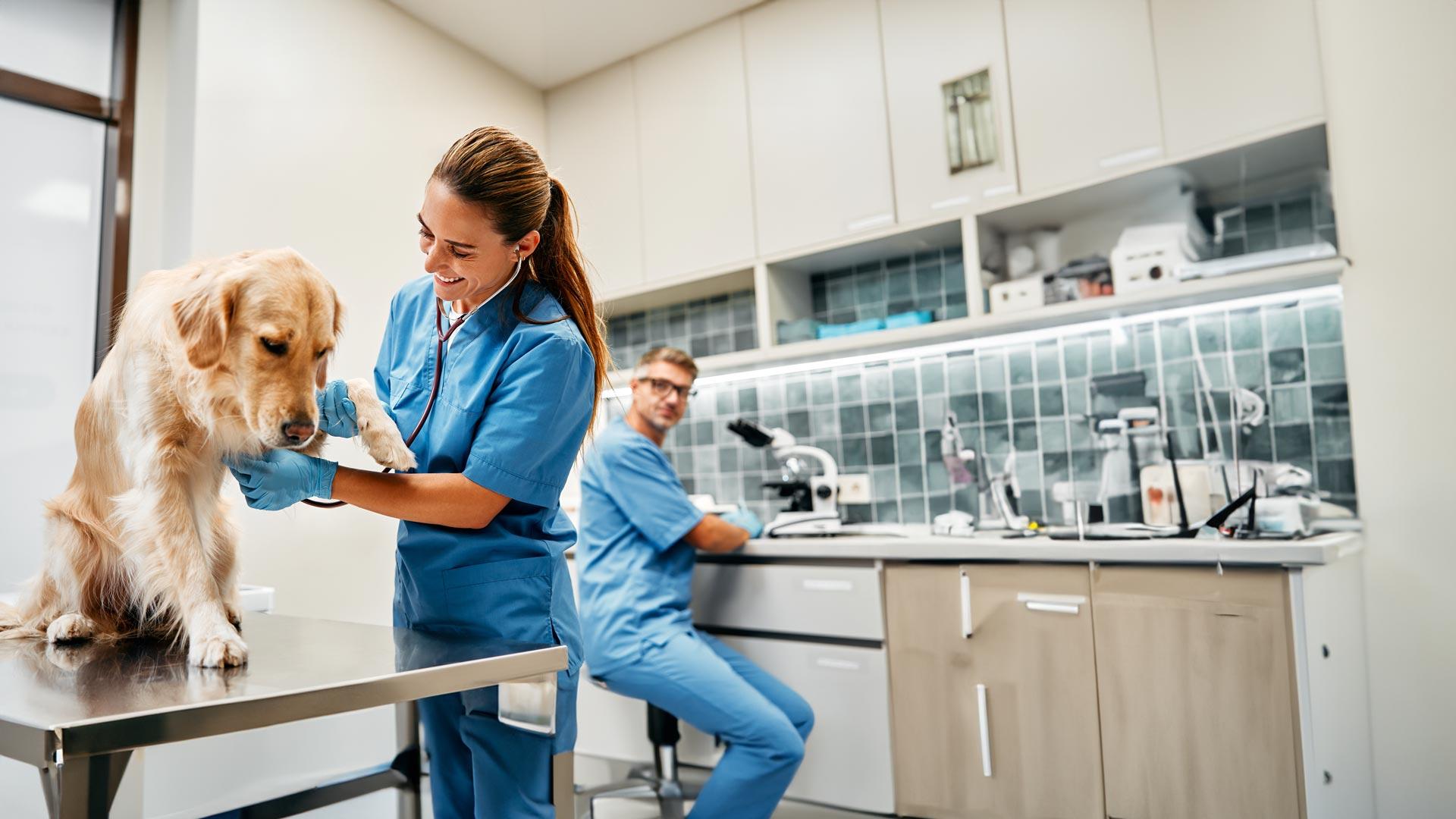
National Veterinary Technician Week: Thank You, Vet Techs
They are pros at handling paws, claws, and the occasional chaos. This week is all about them.
It is National Veterinary Technician Week, and we want to celebrate the people who keep veterinary practices running, patients comfortable, and tails wagging.
Vet techs do a little bit of everything. They assist in procedures, monitor recovery, comfort anxious pets, and support veterinarians all day long. Often all before lunch.
At Amergy Disposal, we see another side of that work too. Every busy practice produces medical waste, and handling it safely is part of keeping the whole team protected. While you take care of the animals, we help take care of the waste.
What Is National Veterinary Technician Week?
National Veterinary Technician Week is held every year during the third week of October. The National Association of Veterinary Technicians in America (NAVTA) started the celebration in 1993 to recognize the skill and care vet techs bring to animal health.
In 2026, it runs from October 18 to 24. Practices across the country use the week to thank their techs with team lunches, shout outs, small gifts, and plenty of social media love.
What Vet Techs Do Every Day
Ask any veterinarian and they will tell you the same thing. The practice would not run without its techs. Here is a small slice of what fills their day:
Clinical care
Drawing blood, placing catheters, running lab work, taking X-rays, and giving medications.
Surgery support
Prepping patients, monitoring anesthesia, assisting in procedures, and watching over recovery.
Comfort and communication
Calming nervous pets, answering owner questions, and explaining home care instructions.
A lot of that work involves needles, blades, and items that come into contact with blood or other body fluids. That is where safe waste handling comes in.
How Safe Waste Disposal Protects Your Vet Techs
Vet techs handle more sharps in a day than most people do in a year. A squirming patient can turn a simple injection into a close call. A strong disposal program lowers that risk and makes the job a little easier.
1. Keep sharps containers within reach
Mount sharps containers in every exam room, treatment area, and surgery suite. Techs should be able to drop a used needle in right away without walking across the room. Replace containers when they reach the fill line.
2. Sort waste the right way
Veterinary practices create several types of waste. Sharps, items soaked with blood, pharmaceutical waste, chemotherapy waste, and regular trash each need their own container. Simple signs at each station help the whole team get it right.
3. Handle pharmaceutical waste with care
Expired and unused medications should not go in the trash or down the drain. Keep them separate from other waste. Controlled substances have their own DEA disposal rules, so follow those carefully and keep good records.
4. Train the whole team
Needlesticks are one of the most common injuries in veterinary medicine. The OSHA Bloodborne Pathogens Standard is built around human blood, but its annual training model is a smart one for any clinic to follow. Train techs when they are hired and at least once a year after that. Cover sharps safety, waste sorting, spill cleanup, and what to do after a needlestick.
5. Know your state’s rules
Medical waste rules are set mostly at the state level. Storage time limits, labeling, and how animal waste is classified can all vary. A good disposal partner helps you stay on top of what applies to your practice.
Quick idea for this week: Ask your techs what would make waste handling easier. A better spot for a sharps container or a clearer sign can make a real difference, and they will appreciate being asked.
Veterinary Waste Checklist for Your Practice
- Sharps containers are mounted where techs actually use needles
- No sharps container is above its fill line
- Red bags and sharps containers are labeled with the biohazard symbol
- Pharmaceutical waste is kept separate from other waste
- Controlled substance disposal follows DEA rules and is documented
- Bloodborne pathogens training is current for every tech and assistant
- Spill kits are stocked and easy to find
- Waste storage area is secure and clearly marked
- Pickup schedule fits your volume and state limits
How Amergy Disposal Helps Veterinary Practices
Amergy Disposal provides regulated medical waste disposal and compliance services to veterinary clinics, animal hospitals, and specialty practices across the 48 continental states.
- Sharps containers and red bag supplies sized for your practice
- Reliable pickups on a schedule that works for you
- Pharmaceutical and chemotherapy waste handling
- Tracking documentation for every pickup
- OSHA compliance support and training resources
Our goal is simple. Take the waste off your plate so your team can focus on the animals.
To Every Vet Tech Out There
Thank you for your compassion, your dedication, and your hard work. Thank you for everything you do for the animals who depend on you.
You deserve a little extra appreciation this week. And probably a few extra treats too.
Happy National Veterinary Technician Week from your friends at Amergy Disposal!
Frequently Asked Questions
When is National Veterinary Technician Week 2026?
National Veterinary Technician Week 2026 runs from October 18 to October 24. It takes place every year during the third week of October.
Who started National Veterinary Technician Week?
The National Association of Veterinary Technicians in America (NAVTA) created the week in 1993 to honor vet techs and their role in animal care.
What kinds of medical waste do veterinary practices produce?
Common types include sharps like needles and scalpel blades, items soaked with blood or body fluids, pharmaceutical waste, and chemotherapy waste. How each type is classified can vary by state.
Does the OSHA Bloodborne Pathogens Standard apply to veterinary practices?
The standard covers exposure to human blood and other potentially infectious materials, so it applies when staff could contact those. Many veterinary practices still train all clinical staff on sharps safety every year, since needlesticks are a common risk in animal care.
Simple Waste Disposal for Veterinary Practices
Get a free quote on medical waste disposal that keeps your team safe and your practice compliant.
Get a Free QuoteWaste made simple!